Featured
Table of Contents
Therapy can't make all of life's obstacles disappear, however it can assist you start responding to tough individuals or situations in much healthier, much more efficient methods.
Development in therapy is always a positive sign. It indicates you're boosting and progressing, and it reaffirms that you're being sustained where you are currently, not where you were when you started. Accomplishing your initial objectives and establishing brand-new ones with your therapist shows real energy in your healing journey.

Progress in therapy is rarely, if ever before, linear. This implies points won't constantly occur in a straight line or in a predictable method. You may have obstacles, regressions, or hard minutes along the road, yet it is essential to keep in mind that these are component of the process, not an indicator of failing.
Are you considering treatment but are unsure just how frequently you should participate in sessions? Finding the perfect balance in between treatment appointments can be an essential consider your mental wellness trip. In this short article, we will check out the inquiry: Exactly how often should you participate in therapy sessions? There is no one-size-fits-all solution to this inquiry, as the depends on different factors.
Real Improvement is Within Reach
The reason is easy: treatment is a method. Simply like reflection, yoga exercise, workout, creating, or any kind of various other practice, it calls for consistency of immersion with a great deal of method to learn and internalize the practice.
This will certainly equip you to choose that really feel like your choices (not just adjustments to the needs of other individuals). As you find out to recognize and browse the complexities of your inner world through of therapy, you will certainly locate better authenticity and creativity in job and in your connections.
We urge you to consult with among our therapists to identify the best frequency for you. It is likewise crucial to recognize that, in cases of economic hardship, most of our therapists can and will accommodate a lower frequency of treatment. Our company believe that it is important to meet you where you are and to move at the speed you identify, as you start this extensive journey.
Many individuals go to therapy once a week, and some may even go twice a week if they are dealing with intense distress or have intensive treatment objectives. Nevertheless, as they advance, these sessions may come to be much less regular. For those with less pressing issues who just go to counseling for ongoing upkeep, bi-weekly and month-to-month sessions are adequate.
Establishing Meaningful Transformation Through Clinical Intervention
There isn't simply one aspect determining the variety of times one should go to treatment, but many different aspects that contribute in figuring out treatment frequency. These factors can be internal (personal struggles, motivations, and so on) and exterior (restorative components). By recognizing these elements, you will certainly recognize why your therapist develops a specific routine and why that timetable is most matched to your healing journey.
In such instances, twice-weekly sessions may be called for. Satisfying the specialist more frequently in the beginning of treatment is usually recommended. It might be on a weekly or once every two weeks basis, and the reason for this is straightforward: the much more you fulfill with the specialist, the earlier the therapeutic bond can be developed.
Signs That May Require Counseling Support
The regularity of therapy sessions additionally boils down to what treatments are being used. Different treatment strategies have different session frequency referrals because some can be intensive while others may not be. Psychoanalysis generally calls for several sessions a week, while psychodynamic therapy (what we offer at Deepness Therapy) might require just weekly sessions.
Your budget, job timetable, personal accessibility, and the distance between your home and the clinic need to all be reviewed with your specialist. This is crucial for establishing a treatment schedule that keeps you committed without adding any kind of undue tension. Regardless of the psychological wellness problem, going to once a week therapy sessions can be helpful for all those that regularly most likely to therapy.
Release from Self-Imposed Pressure
When treatment sessions are set up at a set interval, it permits you and the therapist to develop a stronger alliance, which, in turn, produces greater rely on much less time. This creates a risk-free space where you can process and discuss your experiences, thoughts, and feelings with your specialist to make sure that they can acquire understanding into your battles.

As you satisfy your therapist more regularly, the chance of problems going unaddressed, nevertheless tiny, is low. With constant regular follow-ups, the specialist can assess the development made and enhance coping devices and brand-new knowings regarded essential for causing enduring adjustments. A therapistclient alliance is established on depend on, and without normal conferences, it can be challenging to develop that depend on.
Effective Therapeutic Approaches
When you feel understood and unconditionally supported, you can share your ideas, sensations, and battles without booking. For intimate conversations to move openly, it is necessary to have a helpful environment where individual expression is not stifled by judgment. One way to create such a safe room is to satisfy your therapist consistently to discuss your worries and find resolutions while committed to you.
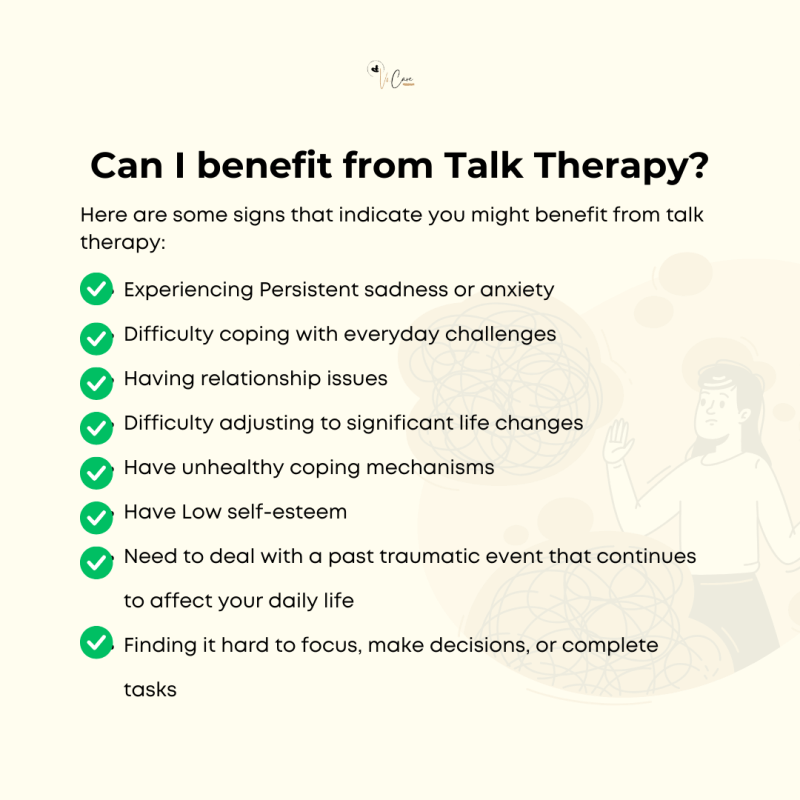
It is an essential element of psychological health and wellness treatment that can have an extensive influence on a person's total health. Determining will certainly be required is a recurring process that might require adjustments in the process. It is vital to take note of indications that show the demand to enhance or lower the.
Review your interest in your specialist and explore the possibility of more intensive treatment. If you find on your own experiencing enhanced distress, increased signs and symptoms, or a worsening of your mental health condition, it might show the requirement for even more constant therapy sessions. Communicate these adjustments to your therapist to make sure that they can adjust your treatment strategy accordingly.

Latest Posts
The Role of Self-Compassion in Working Through Co-Occurring Traumatic Stress and Eating Disorders
Coping with Worry Patterns
Online Resources Between Sessions